NHTSA Closes Investigation into Tesla's Actually Smart Summon After Finding No Safety Defect
Summary
The National Highway Traffic Safety Administration has officially closed its year-long investigation into Tesla's Actually Smart Summon feature, determining that reported low-speed parking incidents were 'extremely rare' and did not indicate a systemic defect.
The National Highway Traffic Safety Administration (NHTSA) has closed its investigation into Tesla’s Actually Smart Summon (ASS) feature, marking a regulatory victory for the automaker after more than a year of federal scrutiny.
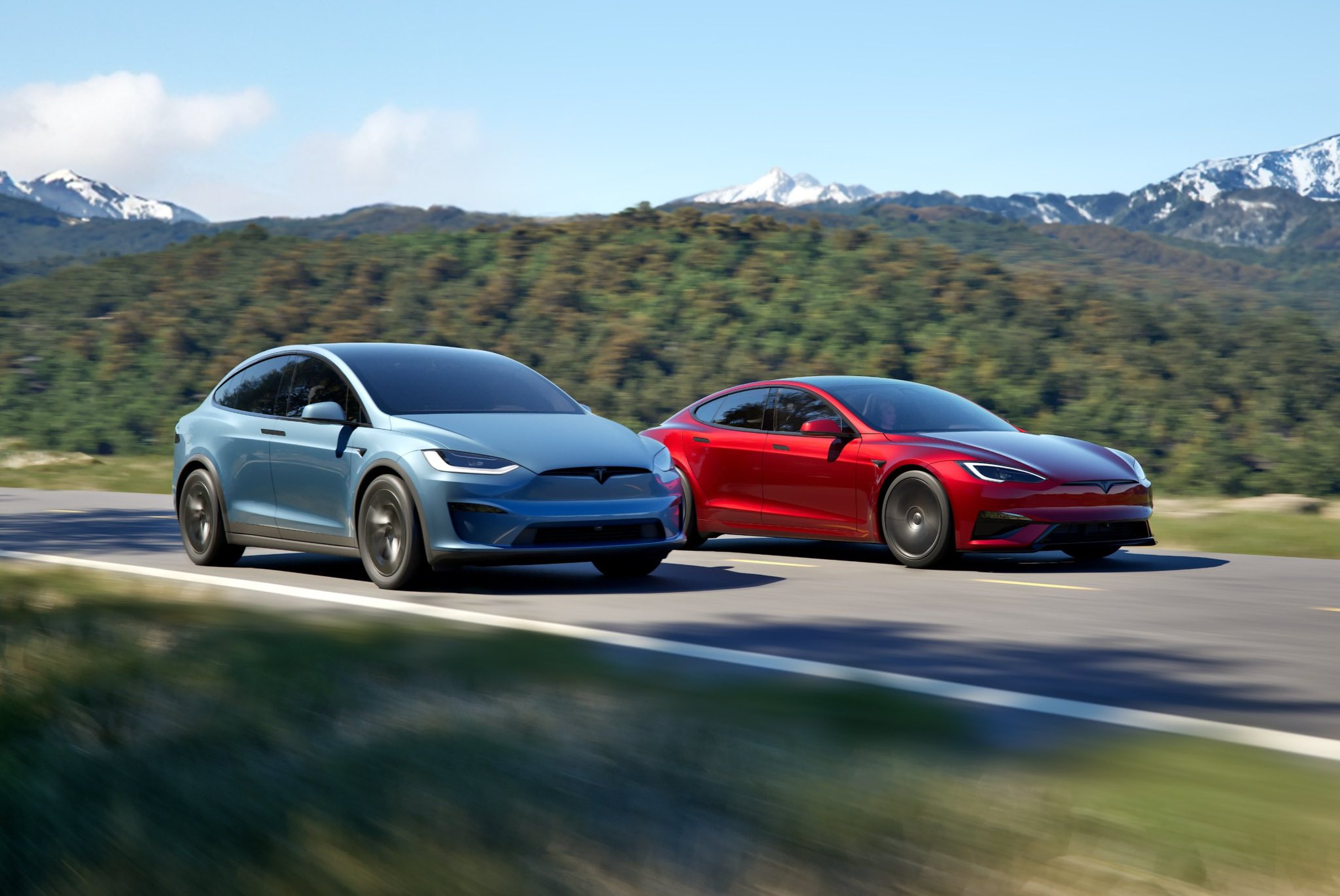
The preliminary investigation, opened in January 2025, examined approximately 2.59 million Tesla vehicles equipped with the feature across the Model S, Model X, Model 3, and Model Y lineups. Actually Smart Summon allows owners to remotely move their parked vehicle short distances in parking lots or on private property using a smartphone app while supervising from outside the car.
The NHTSA’s Office of Defects Investigation reviewed 159 incidents, including one formal Vehicle Owner’s Questionnaire complaint and various media reports. All events occurred at very low speeds, resulted only in minor property damage, and involved zero injuries or fatalities. The agency determined that the incidents were “extremely rare” — representing a fraction of one percent across millions of Summon sessions — and did not indicate a systemic safety-related defect.
A key factor in the closure was Tesla’s proactive response through over-the-air (OTA) software updates. The company issued multiple updates during the investigation period that refined the feature’s obstacle detection and response behaviors. Because Tesla can deploy fixes remotely without requiring physical service visits, the NHTSA noted that the company demonstrated an effective mechanism for addressing any emerging concerns rapidly.
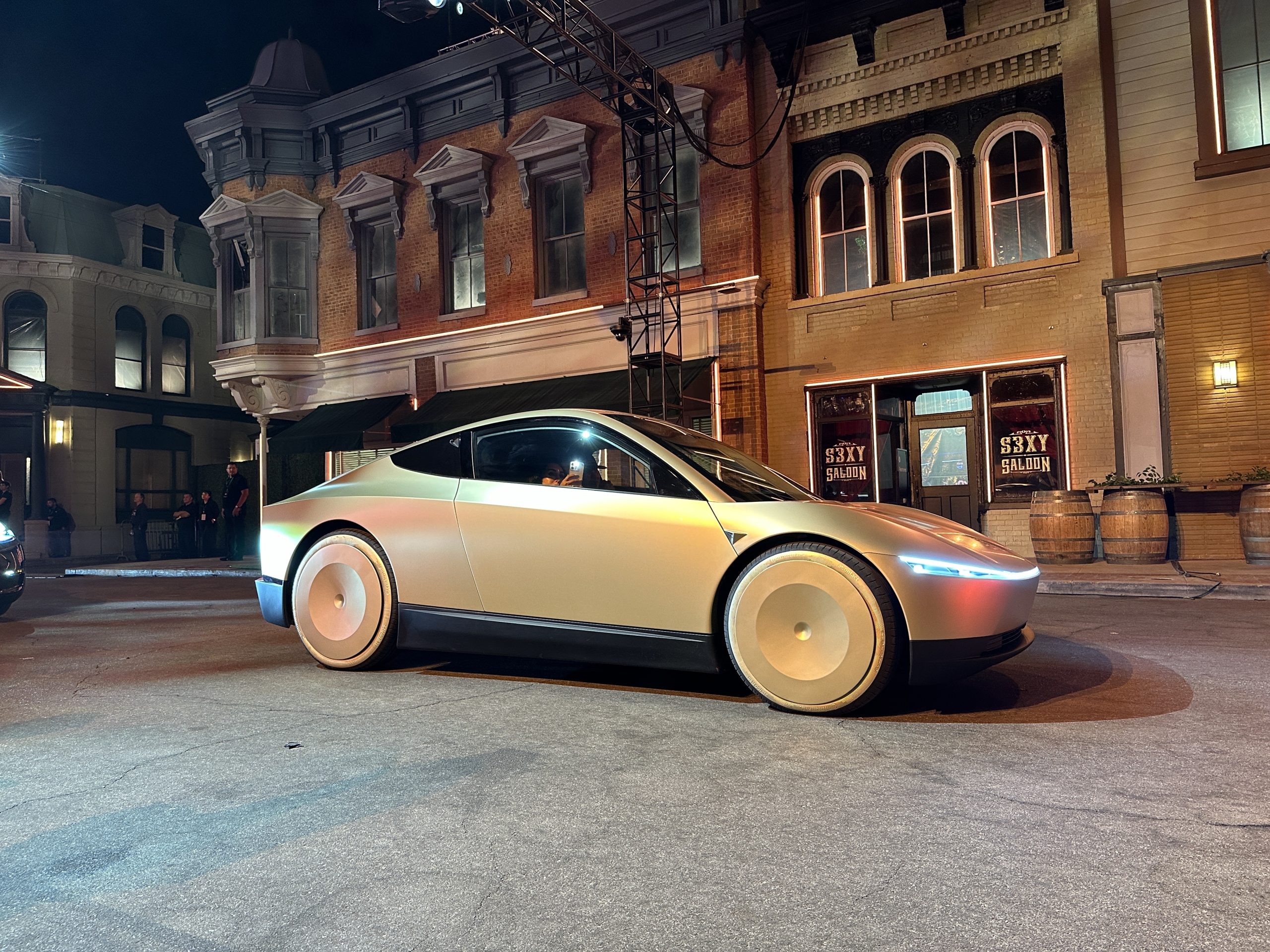
The closure removes one regulatory cloud from Tesla’s broader autonomous driving efforts. The company continues to expand its Full Self-Driving (Supervised) program and is preparing for broader robotaxi deployment with its Cybercab vehicle, making regulatory relationships increasingly critical to its future business model.