Tesla to End Model S and Model X Production in Q2 2026 to Make Room for Optimus
Summary
Tesla confirmed it will end production of the Model S sedan and Model X SUV in Q2 2026. The Fremont factory space will be converted for Optimus humanoid robot manufacturing.
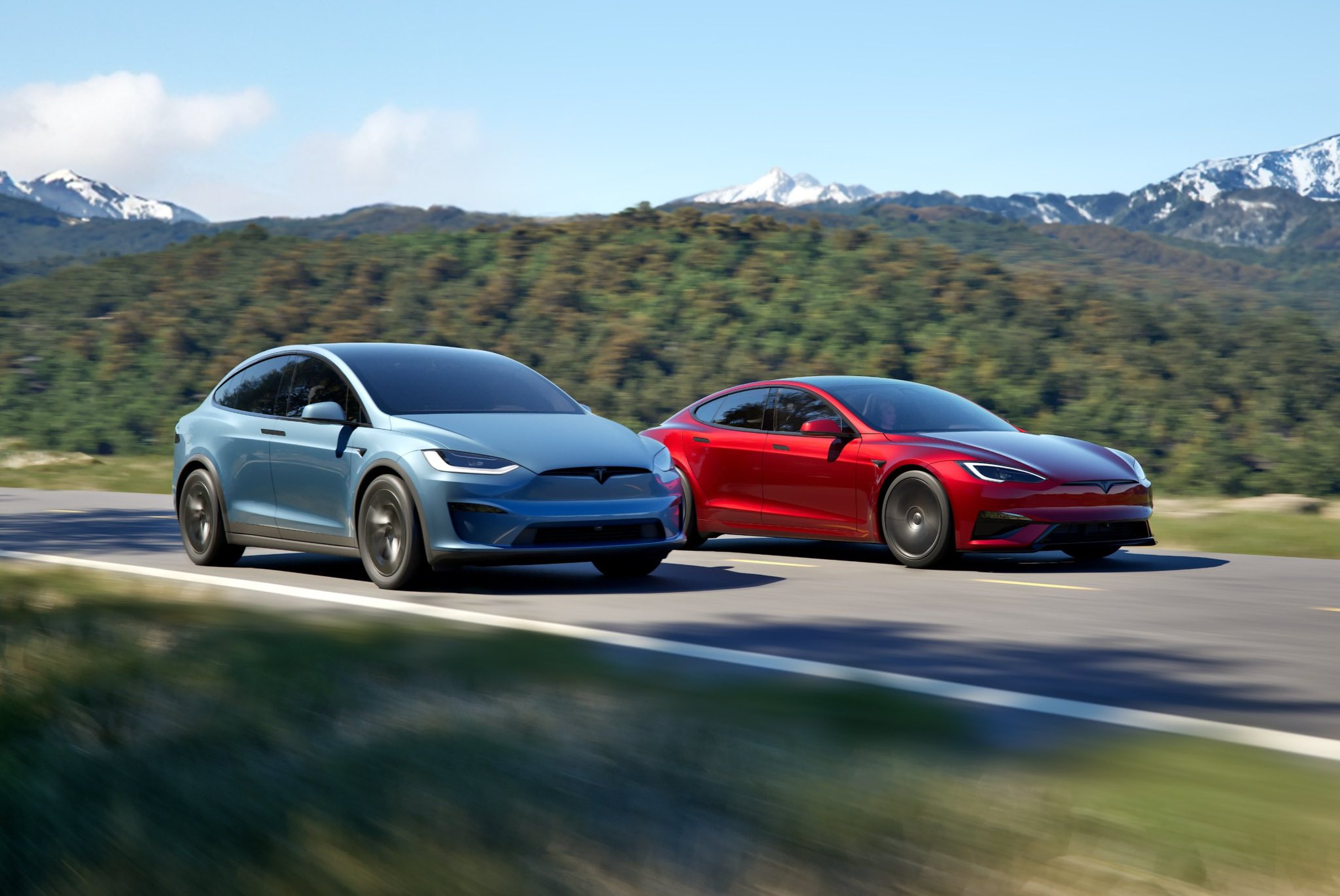
Tesla has confirmed it will end production of the Model S and Model X in the second quarter of 2026, closing the chapter on the vehicles that established Tesla as a serious automaker and converting the Fremont factory space for Optimus humanoid robot production.
The End of an Era
The Model S and Model X have been Tesla’s flagship products since their respective launches:
- Model S (2012): The electric sedan that proved EVs could outperform luxury gas cars
- Model X (2015): The falcon-wing SUV that became a status symbol in Silicon Valley
Both vehicles have seen declining sales as Tesla’s volume shifted to the Model 3 and Model Y. Rather than invest in refreshes, Tesla is choosing to reallocate manufacturing capacity to what it sees as its next major growth engine.
Fremont’s New Mission
Tesla’s Fremont, California factory — the birthplace of the Model S — will be repurposed for Optimus Gen 3 production. The company has stated:
- Pilot production lines will commence before the end of 2026
- Long-term capacity target: 1 million robots per year
- The same manufacturing expertise that scaled Model 3 production will be applied to humanoid robotics
Updated Warranty Structure
Tesla also updated its warranty policy for all new vehicles from the start of 2026:
- Vehicle warranty: 5 years, unlimited kilometers (up from 4 years / 80,000 km)
- Battery warranty: 8 years, with mileage limits varying by variant
- Rear-wheel drive: 8 years / 160,000 km
- Long Range / Performance: 8 years / 192,000 km
What Replaces the Flagships?
Tesla has not announced direct replacements for the Model S or Model X. Instead, the company is betting its future on:
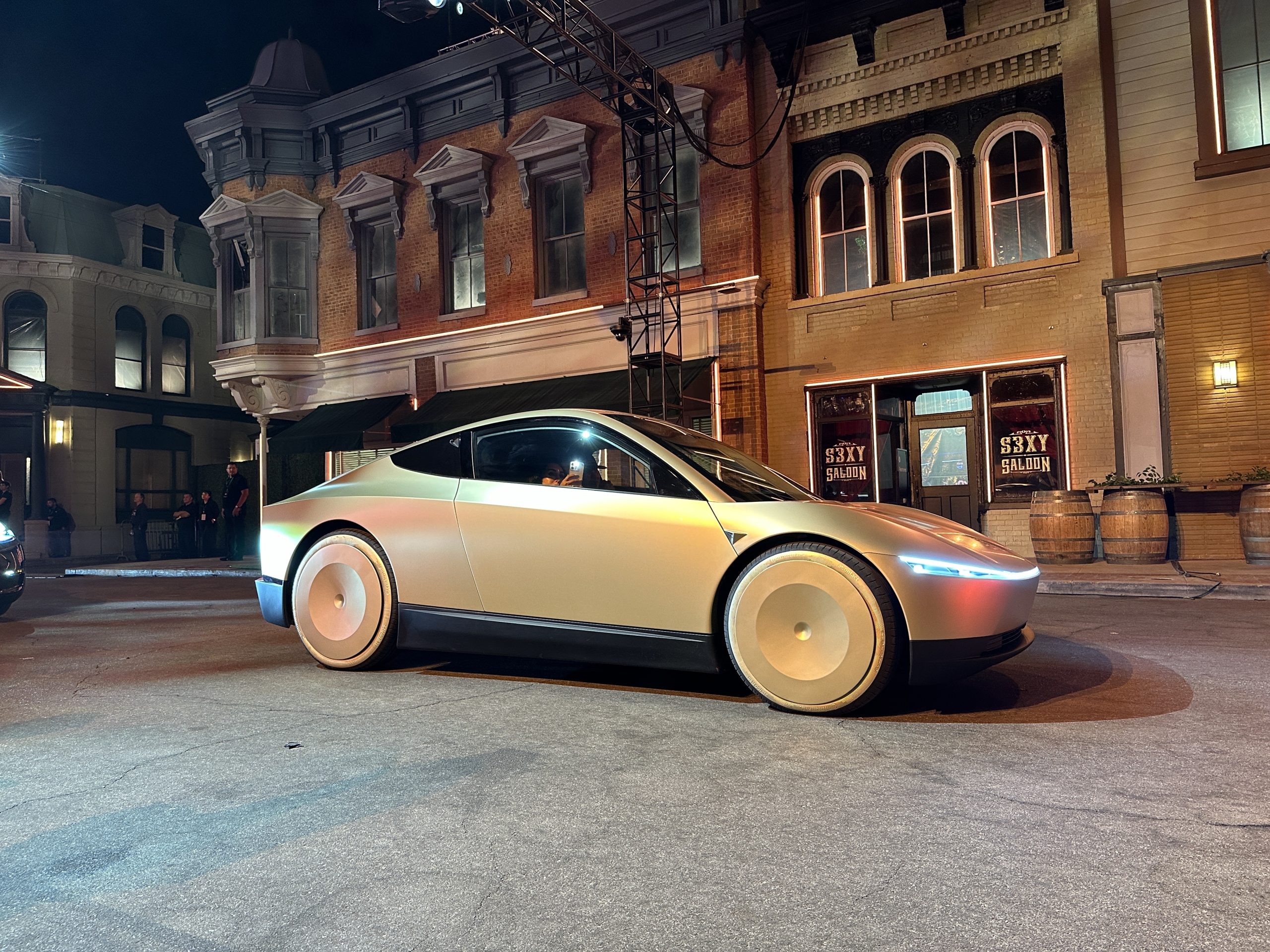
- Cybercab: The autonomous two-seater now in volume production at Giga Texas
- Model Y L: A six-seat extended-wheelbase Model Y launching in Australia and New Zealand in 2026
- Unsupervised FSD: Turning every existing Tesla into a robotaxi
Strategic Shift
The decision signals a profound strategic pivot. Tesla is no longer positioning itself primarily as an automaker:
“It’s probably true that people will forget Tesla ever built cars once the company launches Optimus V3.” — Elon Musk, World Economic Forum 2026
Analysts are divided. Bulls see this as visionary — reallocating capital from mature products to transformative new categories. Bears worry that killing the brand’s halo products before robot revenue materializes could damage Tesla’s premium positioning.
Either way, Q2 2026 marks the end of the vehicle lineup that made Tesla a household name.