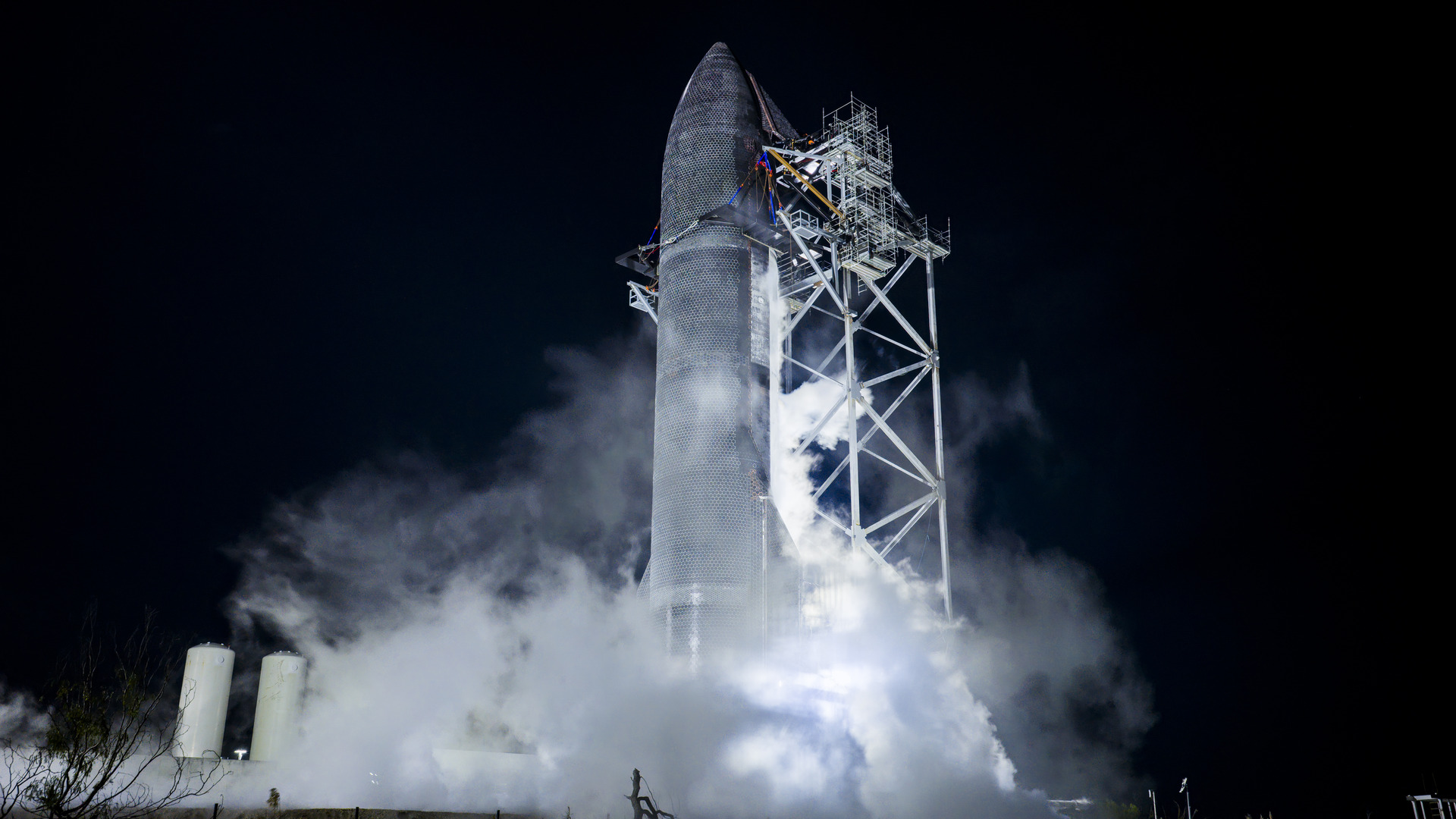
SpaceX Starship V3 Set for Maiden Flight on May 19 — Largest Rocket Ever Built
Summary
SpaceX is targeting May 19, 2026 for Flight 12, the debut of Starship Version 3 — a clean-sheet redesign with Raptor 3 engines, 100+ ton payload capacity, and the first launch from Starbase Pad 2.
SpaceX is targeting Tuesday, May 19, 2026 for the most significant Starship test flight since the program began. Flight 12 will debut Starship Version 3 — a clean-sheet redesign that SpaceX calls the largest and most powerful rocket ever built.
What’s New in V3
The V3 vehicle represents a fundamental overhaul, not an incremental upgrade:
- Taller stack: The full vehicle now stands at 408.1 feet (124 meters), taller than previous iterations
- Raptor 3 engines: Sea-level variants produce 250 tf (551,000 lbf), up from 230 tf on V2. Vacuum engines hit 275 tf (606,000 lbf)
- Integrated hot stage: A redesigned interstage exposes the forward dome during staging, with a new steel shield protecting the methane tank
- More payload: Reusable capacity jumps from ~35 metric tons to 100+ metric tons to LEO, with expendable configurations targeting 200 metric tons
- New launch pad: Pad 2 at Starbase features a water-cooled flame trench and upgraded chopstick catch arms
Flight 12 Mission Profile
SpaceX is intentionally keeping expectations measured for this first V3 flight:
- No catch attempt: Both Booster 19 and Ship 39 will perform controlled splashdowns — Booster 19 in the Gulf of Mexico, Ship 39 in the Indian Ocean
- Starlink simulators: Ship 39 will deploy 22 simulator satellites, double the number from previous flights. Two of them will scan the heat shield and transmit imagery to test return-to-launch-site readiness
- Heat shield test: Only one tile intentionally removed this time (vs. multiple on prior flights), with several tiles painted white as imaging targets
- Raptor relight: An in-space relight of a Raptor vacuum engine is planned
“The flight test’s primary goal will be to demonstrate each of these new pieces in the flight environment for the first time, with each element of the Starship architecture featuring significant redesigns to enable full and rapid reuse.” — SpaceX
The Stakes
This launch comes after a seven-month hiatus since Flight 11 on October 13, 2025 — the longest gap in the Starship test program. SpaceX needs V3 to succeed for multiple reasons:
- NASA Artemis: The lunar lander configuration depends on V3 hardware and orbital refueling, which this flight sets the stage for
- Mars timeline: Elon Musk still aims for an uncrewed Mars mission by late 2026, carrying Tesla Optimus robots
- SpaceX IPO: The company is reportedly preparing for a public offering later this summer, and Starship progress is a key investor narrative
The launch window opens at 5:30 p.m. CDT from Starbase, Texas, with a backup opportunity on May 20.