Starlink Mobile Surpasses 16 Million Connected Users, V2 Satellites Target 150 Mbps by 2027
Summary
SpaceX officially rebranded its Direct-to-Cell service as Starlink Mobile at MWC 2026, revealing 16 million unique users have connected and that a next-generation satellite constellation will launch in mid-2027 with 100x the data density.
SpaceX has officially rebranded its satellite-to-smartphone service from “Direct to Cell” to Starlink Mobile, using the Mobile World Congress in Barcelona as the stage to reveal striking growth numbers and an ambitious technical roadmap for the next two years.
SpaceX Vice President of Satellite Engineering Michael Nicolls disclosed that the first-generation Starlink Mobile constellation — spanning approximately 650 satellites — has already connected more than 16 million unique users, with roughly 10 million active on a monthly basis through partner carriers including T-Mobile in the United States, Rogers in Canada, KDDI in Japan, and Optus in Australia. Nicolls projected monthly active users will exceed 25 million by the end of 2026.
The current service supports text messaging, location sharing, and select apps including WhatsApp, Google Maps, and X in cellular dead zones. Voice calls remain in development, though users can already conduct voice and video calls through supported apps.
Looking ahead, Nicolls announced plans for the second-generation Starlink Mobile system, which will debut in mid-2027. These next-gen satellites will feature phased array antennas roughly five times larger than the current generation, with 16 times as many beams per satellite and nearly 100 times the data density. SpaceX is targeting peak speeds of 150 Mbps per user — a dramatic leap from the current 2-4 Mbps.
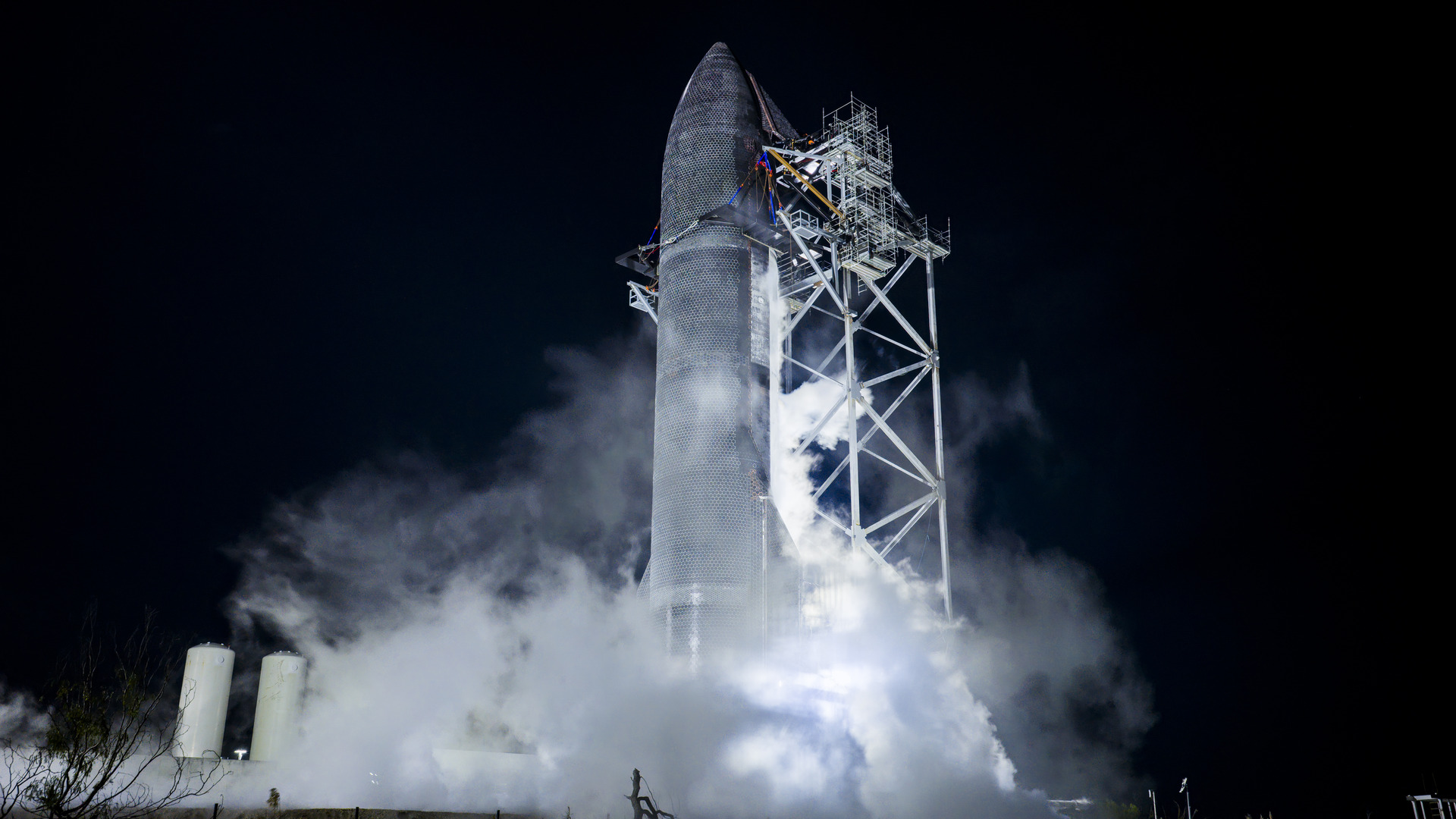
The V2 satellites are designed to launch aboard Starship, with SpaceX planning to deploy more than 50 satellites per flight. The company aims to establish a full constellation of approximately 1,200 satellites within six months of the first V2 launch, creating what Nicolls described as “the largest 4G coverage by geographic area in the world.”
SpaceX also confirmed it acquired EchoStar’s AWS-4 and H-block spectrum licenses in a deal valued at approximately $17 billion, which will enable the company to operate its own cellular service rather than relying exclusively on carrier partnerships. The spectrum transfer is expected to close by November 2027.
The expansion comes as Starlink Mobile adds Airtel Africa to its partner roster, a deal that will extend satellite connectivity to 174 million potential customers across 14 African nations — the sixth continent for the service.